
The email arrived at 11:47 PM on a Sunday.
“I quit. This is impossible. You have three of us trying to do the same job.”
I stared at my phone, watching a ₹250 crore company’s leadership team implode in real-time. The sender? Their Head of Digital Transformation – one of the most talented technologists I’d ever worked with.
The problem wasn’t his capability. The problem was that he, along with two other department heads, had been hired to essentially do the same thing: “drive digital innovation.”
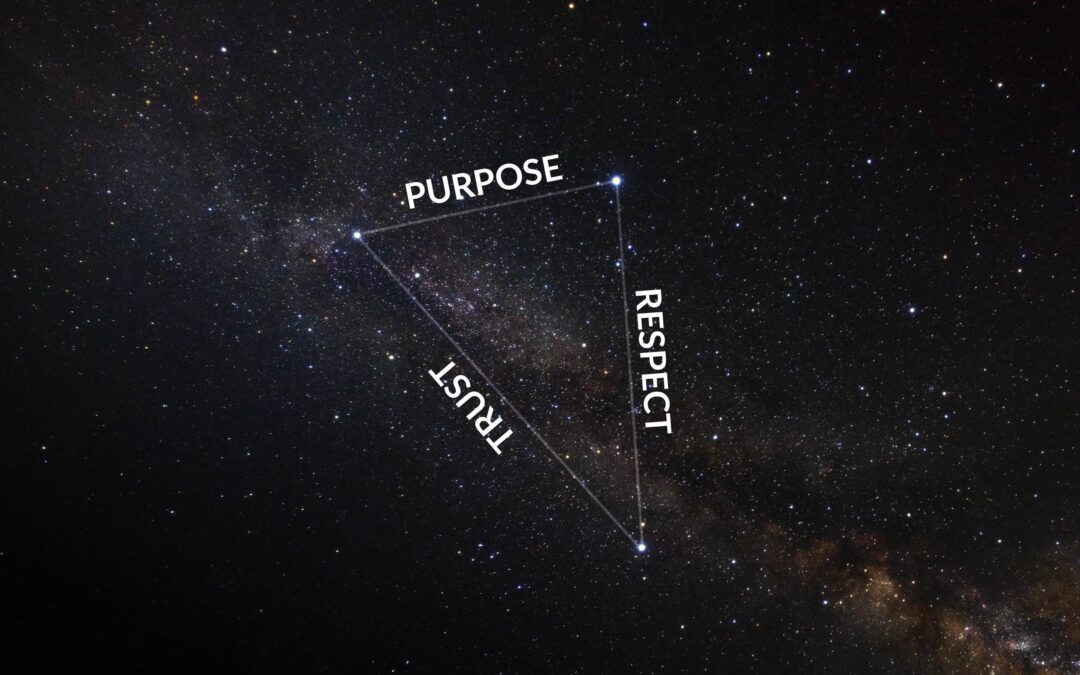
Classic mistake: Three stars, same orbit, inevitable collision.
By Monday morning, I was in their Mumbai office watching the aftermath. The CEO looked exhausted.
“I thought hiring three brilliant people would triple our innovation speed,” he said. “Instead, they’re spending more time fighting each other than fighting the competition.”
Sound familiar?
Here’s what I’ve learned: The moment you put high-performers in the same space without clear gravitational rules, they don’t collaborate – they compete. And when stars compete, everybody loses.
So we tried something radical: We turned competitors into co-conspirators.
Instead of trying to eliminate the rivalry, we channeled it. Here’s exactly how:
Step 1: Create a Common Enemy (Mutual Purpose)
I gathered all three in a room and asked: “Who’s your biggest threat in the market?”
They all said the same competitor’s name.
“Good. That company just raised ₹500 crores. They’re coming for your clients. Your choice: Fight each other while they win, or fight them while you win.”
Then I did something that shocked them: I redesigned their goals so they could only succeed together.
- Head of Digital Transformation: Measured on adoption rates across all departments
- Head of Operations: Measured on efficiency gains from digital tools
- Head of Customer Experience: Measured on digital customer satisfaction scores
Suddenly, sabotaging each other meant sabotaging themselves.
Step 2: Force Mutual Admiration (Mutual Respect)
Week two, I made each leader present the others’ work to the board.
“You can’t present your own projects. You have to present theirs. And make them look brilliant.”
The preparation was fascinating. To present someone else’s work convincingly, you have to truly understand it. To make them look good, you have to find what’s genuinely impressive about what they do.
By the third presentation, something had shifted. They weren’t just defending each other’s work – they were building on it.
Step 3: Create Shared Vulnerabilities (Mutual Trust)
This was the hardest part. I instituted “failure Fridays” – weekly sessions where each leader had to share:
- One thing they’d failed at that week
- One thing they needed help with
- One way the others could make them more successful
Research from Google’s Project Aristotle shows that psychological safety – the ability to admit mistakes without fear – is the strongest predictor of team performance.
The first session was awkward. By the fourth, they were solving each other’s problems before the meeting even started.
The transformation was remarkable:
Six months later:
- Digital adoption across departments: 23% → 89%
- Cross-departmental project success rate: 34% → 91%
- Employee satisfaction with leadership alignment: 28% → 94%
- Most importantly: Zero resignation threats
But here’s what really changed: They stopped seeing each other as threats and started seeing each other as force multipliers.
The Head of Digital Transformation called me last month: “Arjun, remember when I wanted to quit? Now I can’t imagine doing this job without the other two. We’re building something none of us could create alone.”
That’s the power of intentional constellation design.
As Simon Sinek’s research shows, teams with clear shared purpose outperform individual contributors by 300% in complex problem-solving scenarios.
The secret isn’t eliminating competition – it’s redirecting it toward a common goal.
Your stars don’t need to be best friends. They need to be interdependent allies.
I’m curious: Who are the brilliant people in your organization who could be collaborating but are instead competing?
Because somewhere in your company right now, there’s probably an 11:47 PM resignation email being drafted by someone who should be your greatest asset.
The question isn’t whether you have stars. The question is: Are you connecting them or letting them burn out in isolation?
Take our OPA and discover where your constellation needs stronger gravitational forces.
It’s your choice.